Proactive SMS for Marketing and CX: 5 Message Types Beyond Broadcasts
See how marketing and CX teams use proactive SMS notifications for reminders, offers, and status updates, while managing consent, timing, and conversations.
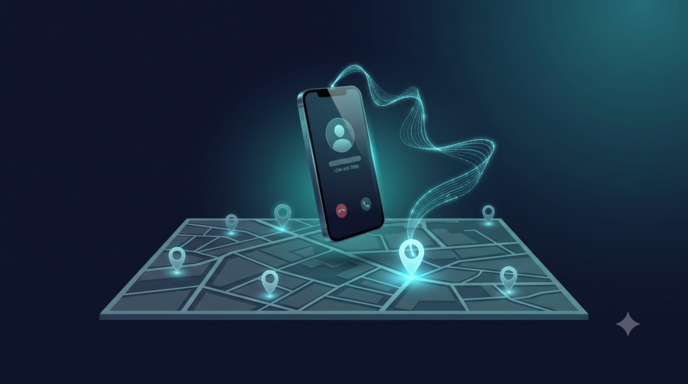
Proactive SMS notifications are automated outbound texts triggered by schedules or events, such as an order update or an upcoming appointment, sent to inform, remind, or re-engage a customer before they have to ask. They work best for reminders, delivery and status alerts, time-limited promotions, and conversational follow-ups. When paired with clear consent and disciplined timing, they produce high visibility and fast customer action.
TL;DR:
- Send appointment reminders 24 hours ahead and include a simple link customers can use to confirm or reschedule their visit.
- Capture affirmative, unticked consent specifically for SMS, include an opt out instruction in every marketing text, and honor unsubscribe requests immediately.
- Keep messages within local business hours: texts before 8 AM or after 9 PM draw disproportionate complaints and prompt people to opt out.
- Start with one operational trigger and one template, then expand only after two weeks of clean delivery and response data.
- For two way texting, acknowledge every inbound message immediately and set a clear escalation window, with staff available for unresolved questions.
What Proactive SMS Notifications Are and Why They Work
Proactive SMS notifications differ from purely transactional messages because they anticipate a customer need rather than simply confirming a completed action. A shipping confirmation is transactional; a text sent two hours before a delivery window asking if the time still works is proactive. That distinction matters for how teams plan content, timing, and response handling.

The business case is measurable. Teams that use proactive texting typically see higher engagement, faster conversions on time-sensitive offers, fewer missed appointments, and lower support ticket volume, since customers get answers before they need to call.
A large majority of consumers who opt in to business texts open them, with industry data reporting very high SMS open rates, according to the 2025 Consumer Texting Behavior Report. That level of visibility is difficult to match through email or app push, which makes SMS a strong channel for anything that needs to be seen within minutes, not days.
Where Proactive SMS Fits: Reminders, Updates, and Promotions
Different business needs call for different message types, cadences, and calls to action. Mapping the trigger to the right format keeps messages useful instead of intrusive.
- Appointment and order reminders: sent 24 hours ahead for appointments and immediately after purchase for order confirmations, with a simple confirm or reschedule link.
- Delivery and status updates: triggered by carrier or fulfillment events, typically two to three touchpoints from dispatch to arrival.
- Promotional and seasonal offers: segmented by purchase history or location, with a defined expiration to create urgency without overuse.
- Restock and price alerts: triggered when inventory or pricing data changes, sent only to customers who asked to be notified about that specific item.
- Service handoffs: a bot-initiated text that recognizes when a question needs a human and routes the conversation to a live agent with context intact.
Each of these works best when the message gives the customer a clear next step, whether that is replying “yes,” tapping a link, or simply knowing no action is needed.
Timing, Frequency, and Personalization Rules That Lower Opt-Outs
Getting the mechanics right separates a channel customers trust from one they mute. A few operating rules consistently hold up across industries.
- Respect time zones and send within business hours. Messages sent before 8 AM or after 9 PM local time generate disproportionate complaints and opt-outs.
- Cap frequency and clean your list regularly. Removing inactive numbers and limiting promotional sends to a defined weekly ceiling prevents fatigue.
- Personalize with first-party data. Purchase history, location, and stated preferences let you segment sends instead of broadcasting one message to an entire list.
- Plan for two-way replies. An autoresponder should acknowledge every inbound text immediately, with a defined service-level window for escalation to a live agent.
- Track the right metrics. Delivery rate, response rate, opt-out rate, and time-to-conversion tell you more than open rate alone.
Industry analysis of mobile marketing programs finds that timing and personalization are the two factors most tied to engagement, and that poorly timed messages are consistently rated as intrusive by recipients, according to the PIAA/Vibes mobile marketing report. Wallet notifications and send-time optimization features are cited as practical ways platforms improve outcomes without increasing volume.
Pro Tip: Run A/B tests on send time before testing message copy. Timing usually moves the needle more than wording.
Consent and Opt-Out Rules Marketers Need to Follow
SMS marketing is governed by rules that require specific, affirmative consent for the channel itself, not implied permission carried over from email or phone contact. Under the UK’s Privacy and Electronic Communications Regulations, consent for one communication method does not automatically extend to another, and pre-ticked consent boxes are not valid. A narrow soft opt-in exception exists for customers who have already bought from a business and were given a clear chance to decline marketing at that time.
A short checklist keeps most programs compliant:
- Capture consent with an unticked, affirmative action specific to SMS.
- Include an opt-out instruction in every marketing message and act on unsubscribe requests immediately.
- Maintain an up-to-date suppression list synced across every sending tool.
- Document how and when consent was captured for each contact.
Rocket Lawyer’s summary of text marketing rules reinforces that opt-out mechanisms must be easy to use and honored without delay, a baseline regulators treat as non-negotiable regardless of market.
Building the Program: Triggers, Integrations, and Measurement
Turning strategy into a running program starts with mapping triggers to systems. Order status changes, appointment bookings, inventory thresholds, and CRM lifecycle stages are the most common events that fire a proactive text.
- Integration checklist: CRM for customer and consent data, telephony for agent escalation, analytics for attribution, and webhooks to connect inventory or booking systems in near real time.
- Template discipline: keep copy under 160 characters where possible, include one clear call to action, and always carry the required opt-out language.
- Governance: log consent timestamps and message history alongside customer records, particularly for regulated industries where audit trails matter.
A typical rollout starts with operational reminders, the lowest-risk and highest-value use case, before expanding into promotional and conversational flows. Enterprise pilots commonly run over several weeks to validate triggers, templates, and reply handling before scaling volume, a pattern reflected in our own SMS chatbot handoff compliance guidance and in how we structure WhatsApp outbound campaign pilots for comparable messaging programs.
Pro Tip: Launch with one trigger and one template. Expand only after you have two weeks of clean delivery and response data.
Moving From Broadcast Texts to Conversational Journeys
Most SMS programs start as one-way broadcasts and stop there, which leaves engagement on the table. Conversational flows, where a reply triggers a next step rather than disappearing into a void, consistently retain customers longer than pure push messaging because they treat the text as the start of an exchange, not the end of one.
The trade-off is operational: two-way automation requires defined escalation paths and staffing for the replies a bot cannot resolve. A workable roadmap moves in progressive steps starting with reminders and alerts, adding structured two-way replies with autoresponders, then layering in agent handoff and personalization when reply volume is manageable.
— Voiceracx
Where VOICERAcx Fits in Your SMS Rollout
Retailers and service providers that outgrow spreadsheet-driven texting usually move toward a platform that can handle triggers, consent records, and two-way replies in one place. We built our AI Chat Agents and InteractFlow workflow orchestration to connect CRM events, inventory webhooks, and telephony escalation into a single proactive messaging setup, with private cloud and on-premise deployment for teams that need to keep consent and message logs under direct control.
| What to evaluate | Why it matters |
|---|---|
| CRM and telephony integration | Confirms triggers and escalation work with your existing stack |
| Consent and suppression list handling | Needed for ongoing compliance documentation |
| Deployment model | Cloud, private cloud, or on-premise depending on regulatory needs |
Ask about trigger setup, template governance, and escalation handling in a demo, and compare that against our plans or the governance-focused Vee Enterprise offering to find the right fit for your rollout.
FAQ
What does proactive notification mean?
A proactive notification is a message sent automatically before a customer asks for an update, such as a reminder or status alert triggered by a schedule or system event. It is designed to anticipate a need rather than respond to a request.
What does “SMS notification” mean?
An SMS notification is a text message sent to inform a recipient of something relevant, such as an order update, appointment reminder, or account alert. It can be triggered manually or automatically through a messaging platform.
What does proactive message mean?
A proactive message is any outbound communication, SMS, email, or chat, sent ahead of a customer inquiry to inform, remind, or prompt action. In SMS specifically, this includes reminders, delivery updates, and renewal alerts.
How do I turn on SMS notifications?
Turning on SMS notifications for a business program requires capturing specific, affirmative consent from each customer for text messages, as outlined in PECR guidance from the ICO. Once consent is recorded, a messaging platform connects to your CRM or booking system to trigger texts automatically based on defined events.
Sources
- 2025 Consumer Texting Behavior Report — PR Newswire / EZ Texting
- Electronic and telephone marketing | ICO
- Best practices in text message marketing — Rocket Lawyer
- Exploring the four corners of success in mobile marketing — PIAA / Vibes (industry PDF)